UTENSILI OBLIATI
Palazzo Migazzi, Cogolo di Peio
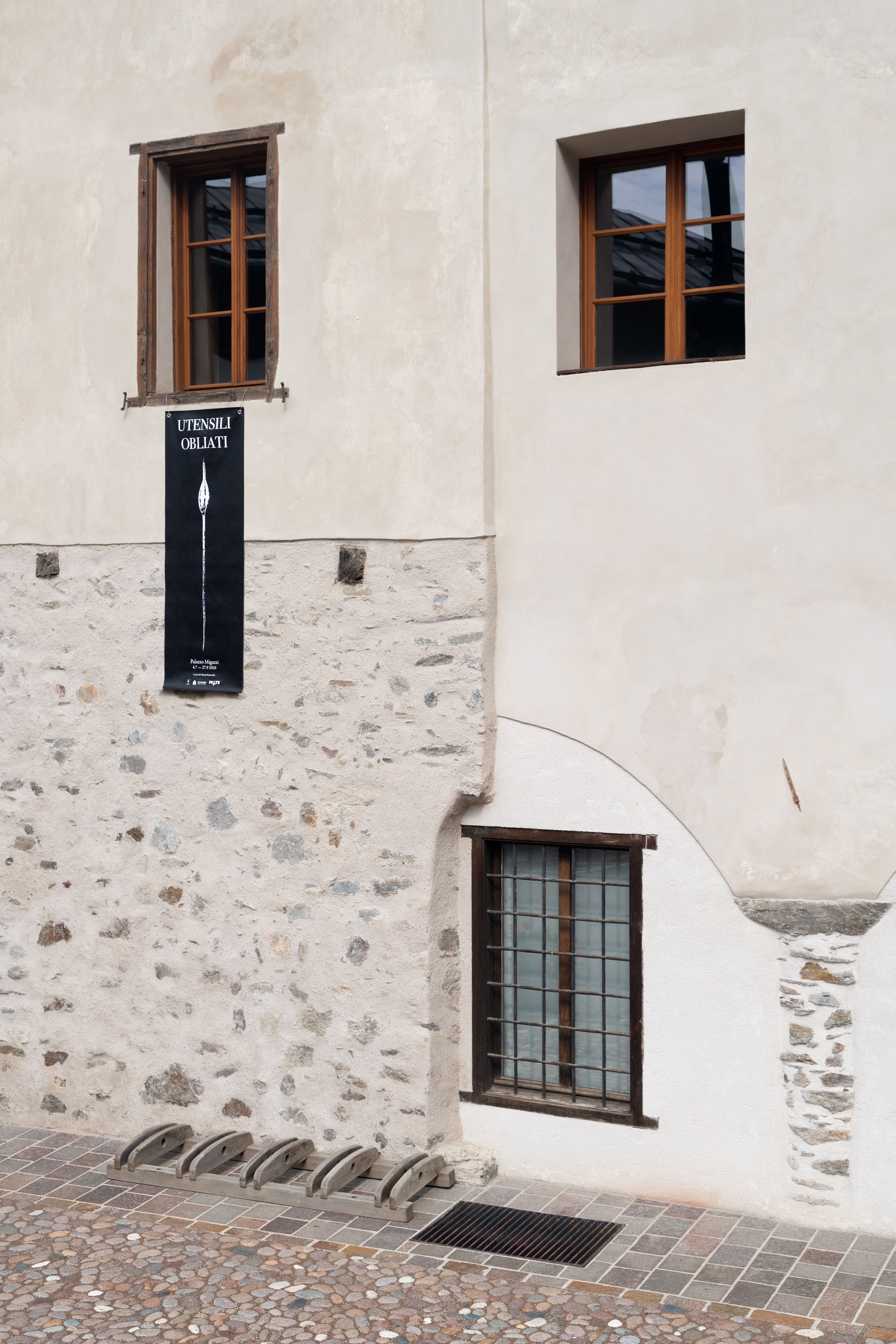
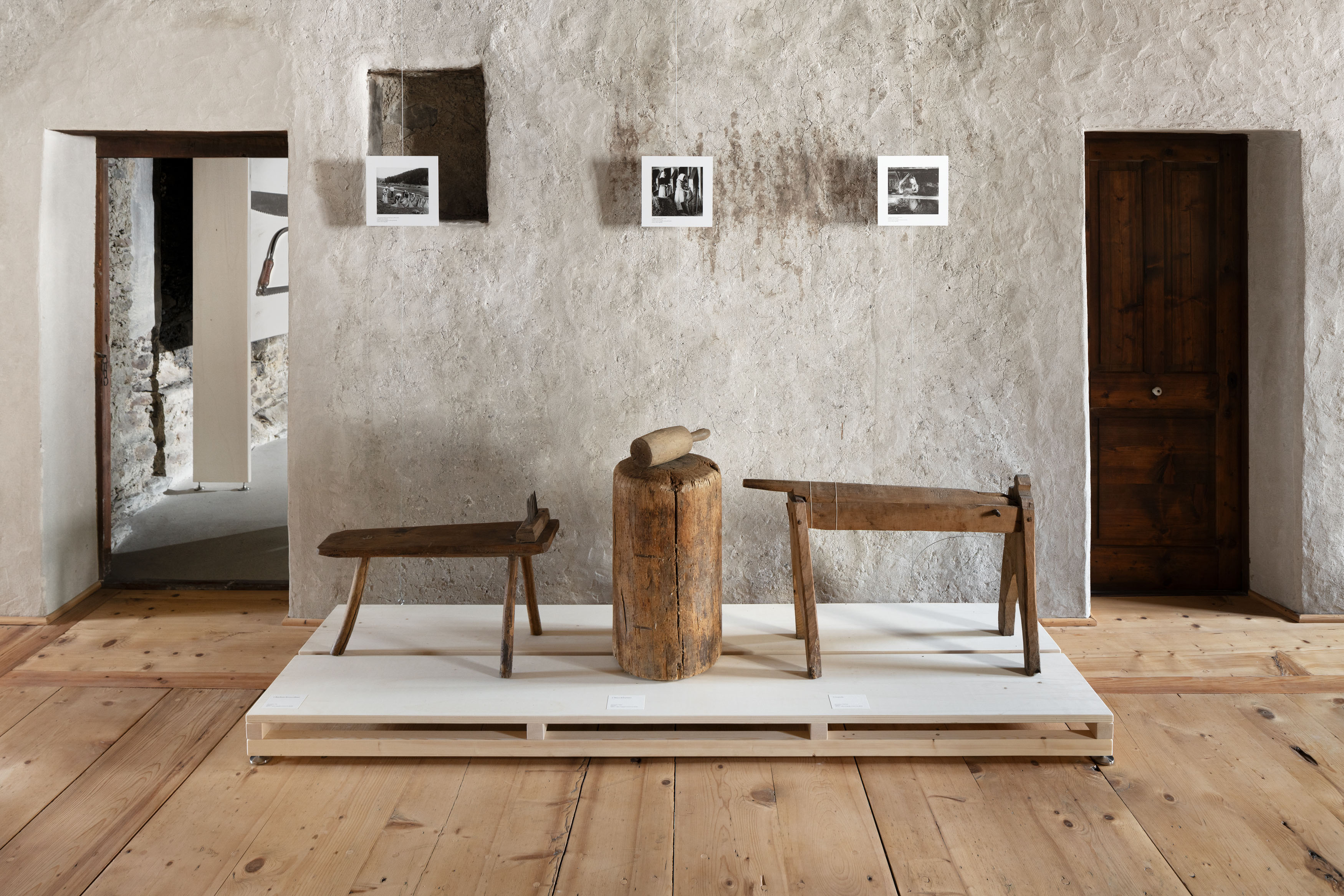
Palazzo Migazzi, a historic building in Cogolo di Peio that, since its fifteenth-century origins, has accompanied the transformations of the local community, offers an ideal setting for a reflection on the relationship between traditional knowledge and the contemporary world.
HISTORICAL CONTEXT
Utensili Obliati enters this place as a narrative device that allows techniques and objects to be read not merely as remnants of the past, but as testimonies of a system of skills that shaped the economic and social life of the Val di Peio and Val di Sole until the progressive replacement of manual craftsmanship by industrial processes. The exhibition does not propose a return to the past, nor an idealisation of traditional labour: it instead poses a precise question — what is lost, culturally and materially, when a system of knowledge ceases to be transmitted?
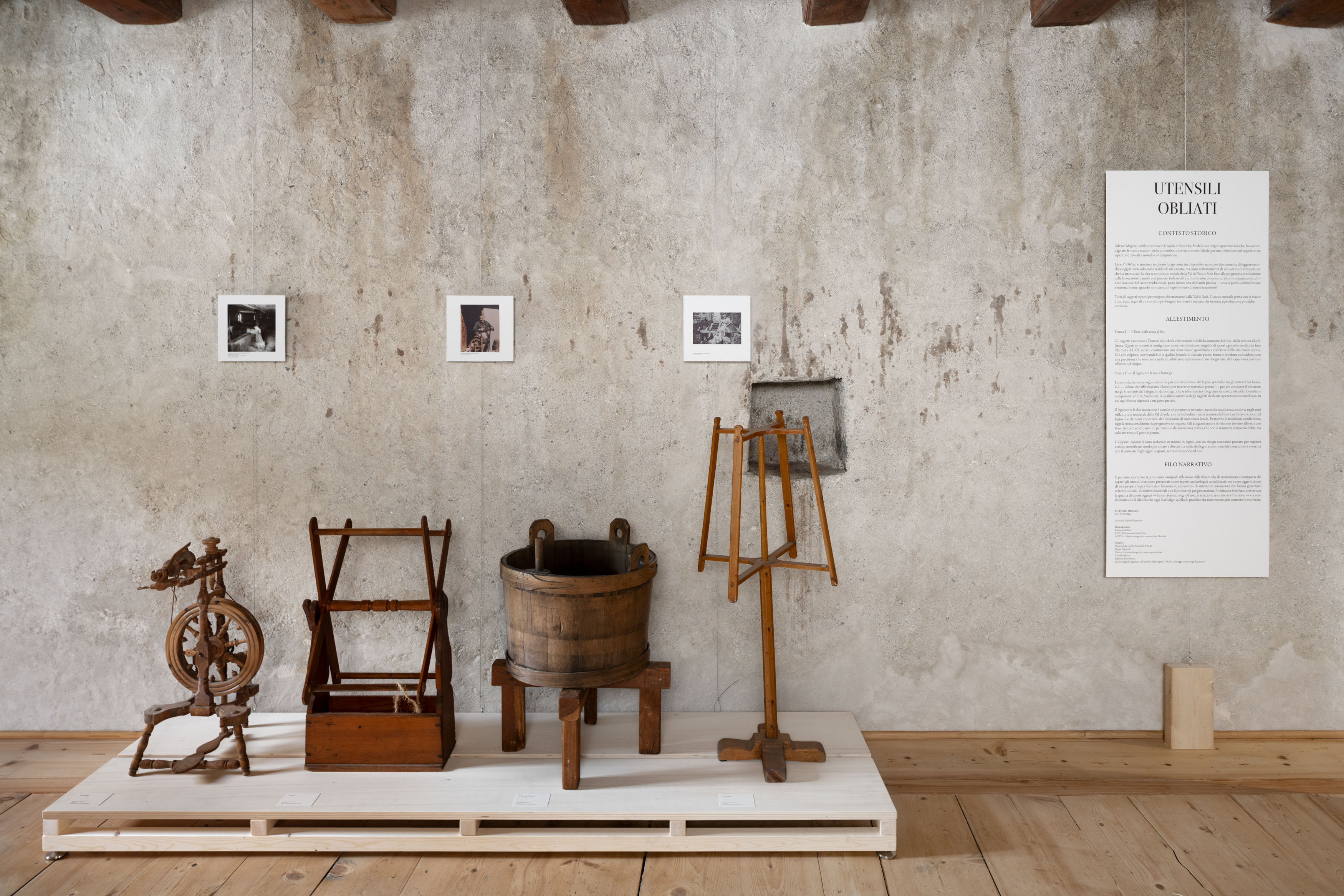
All the objects on display come directly from the Val di Sole. Each tool carries real traces of use, marks of a prolonged contact between hand and material that no reproduction could ever restore.
EXHIBITION LAYOUT
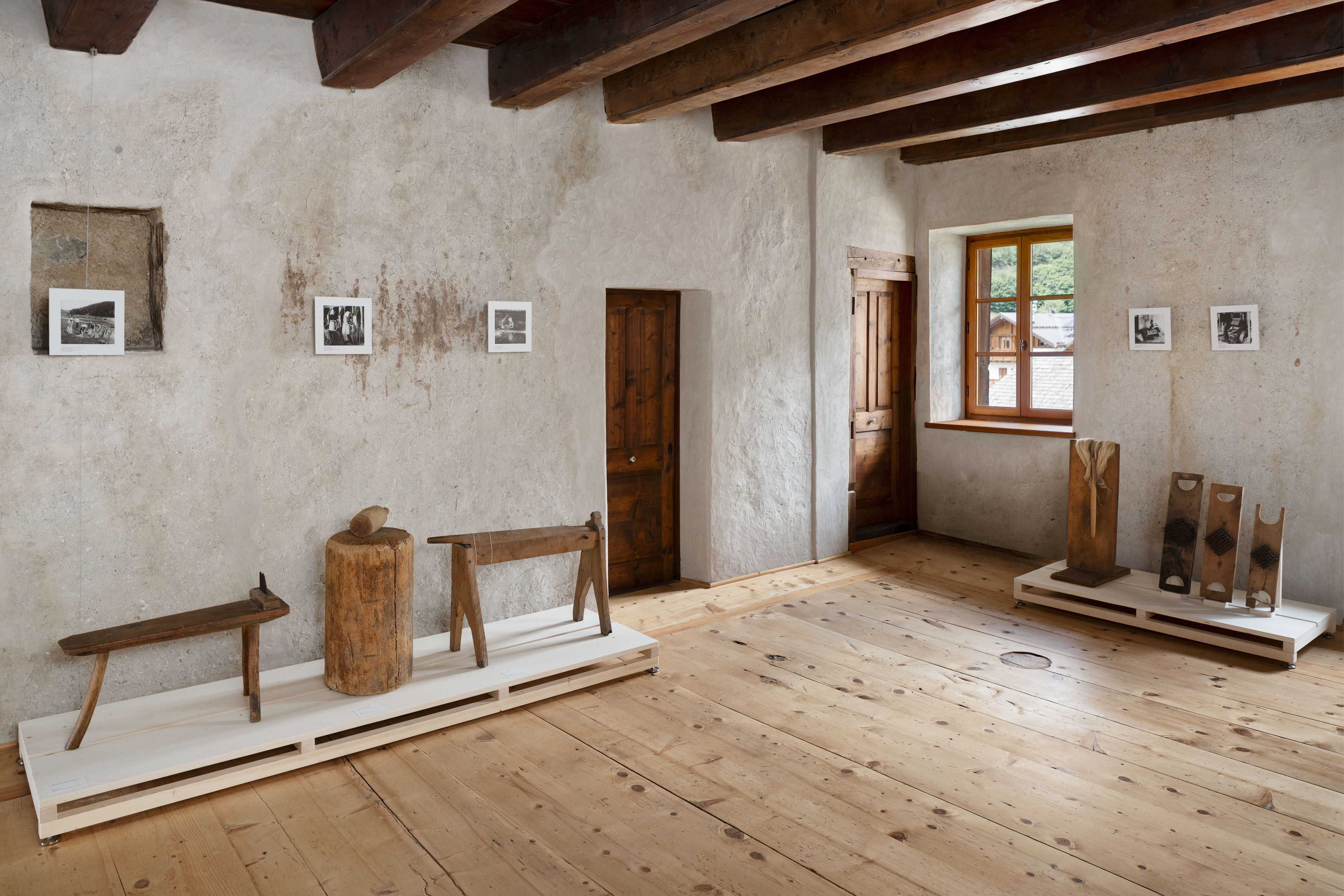
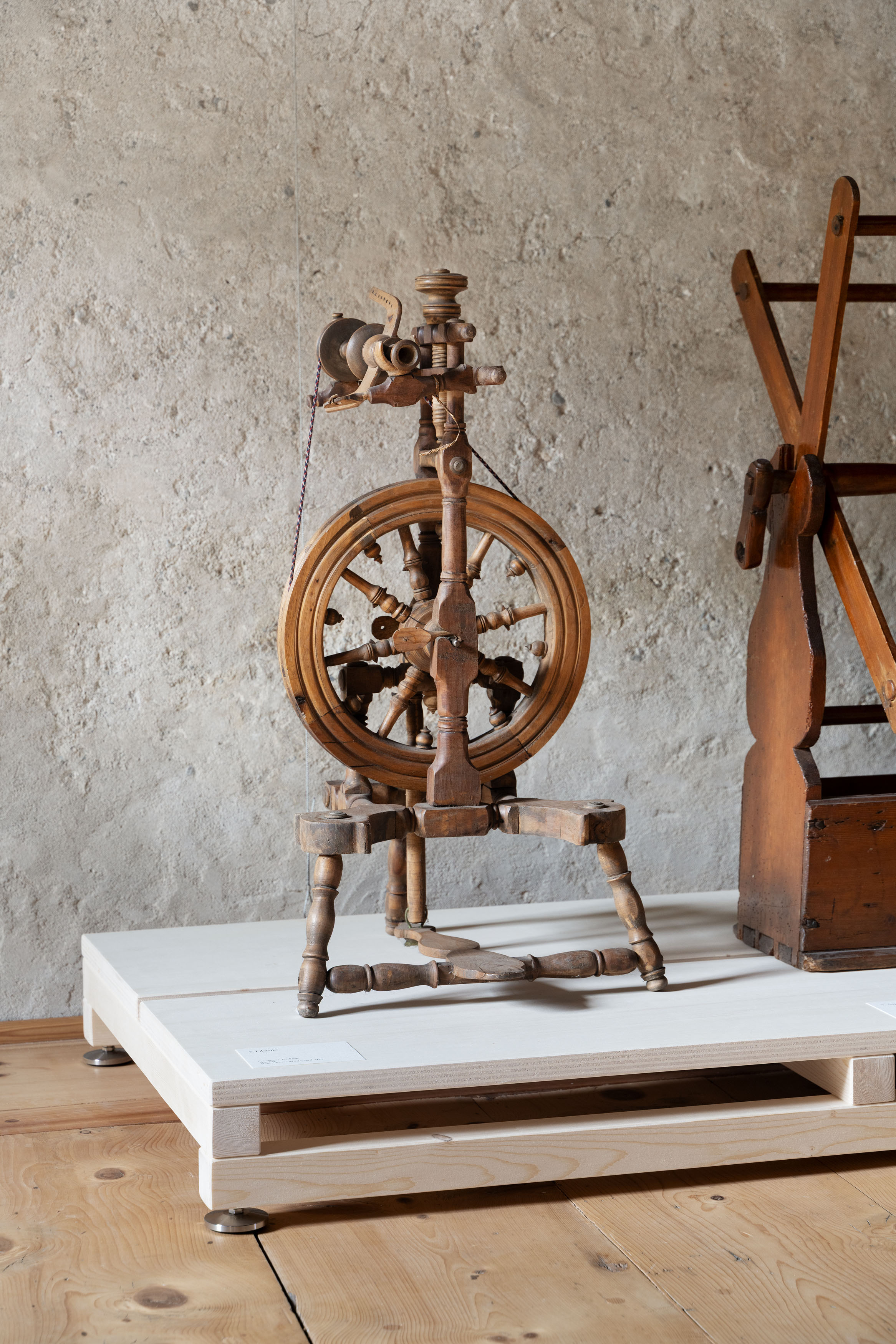
Room I — Linen, from the earth to the thread
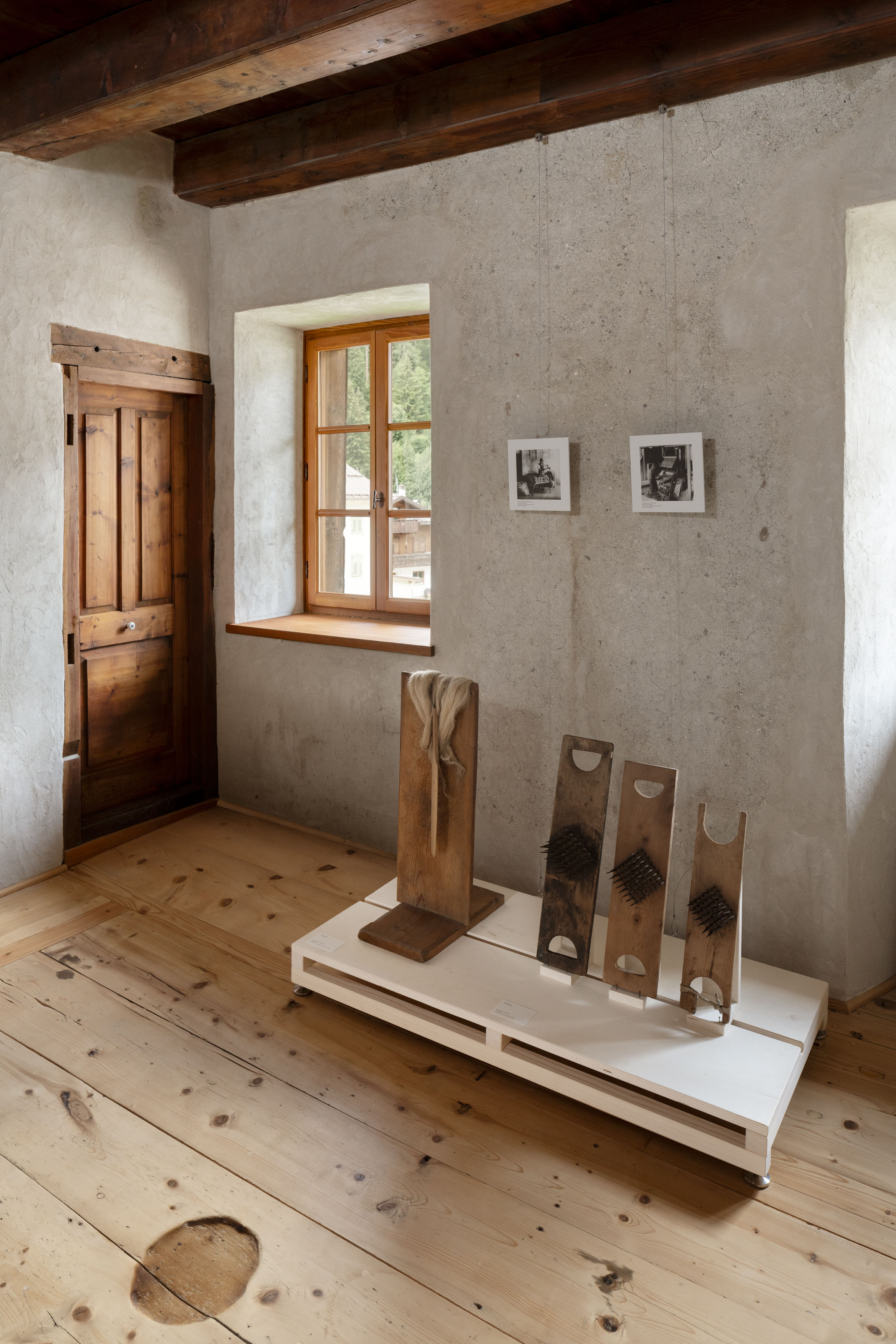
The objects tell the story of the entire cycle of linen cultivation and processing: from sowing to spinning. These tools stand as tangible testimonies of agricultural and textile knowledge that, until the mid-twentieth century, formed a daily and collective dimension of Alpine rural life. What strikes the observer is the formal quality of each piece: form and function coincide with a precision that leaves nothing to chance, an expression of design born from practical experience and refined over time.
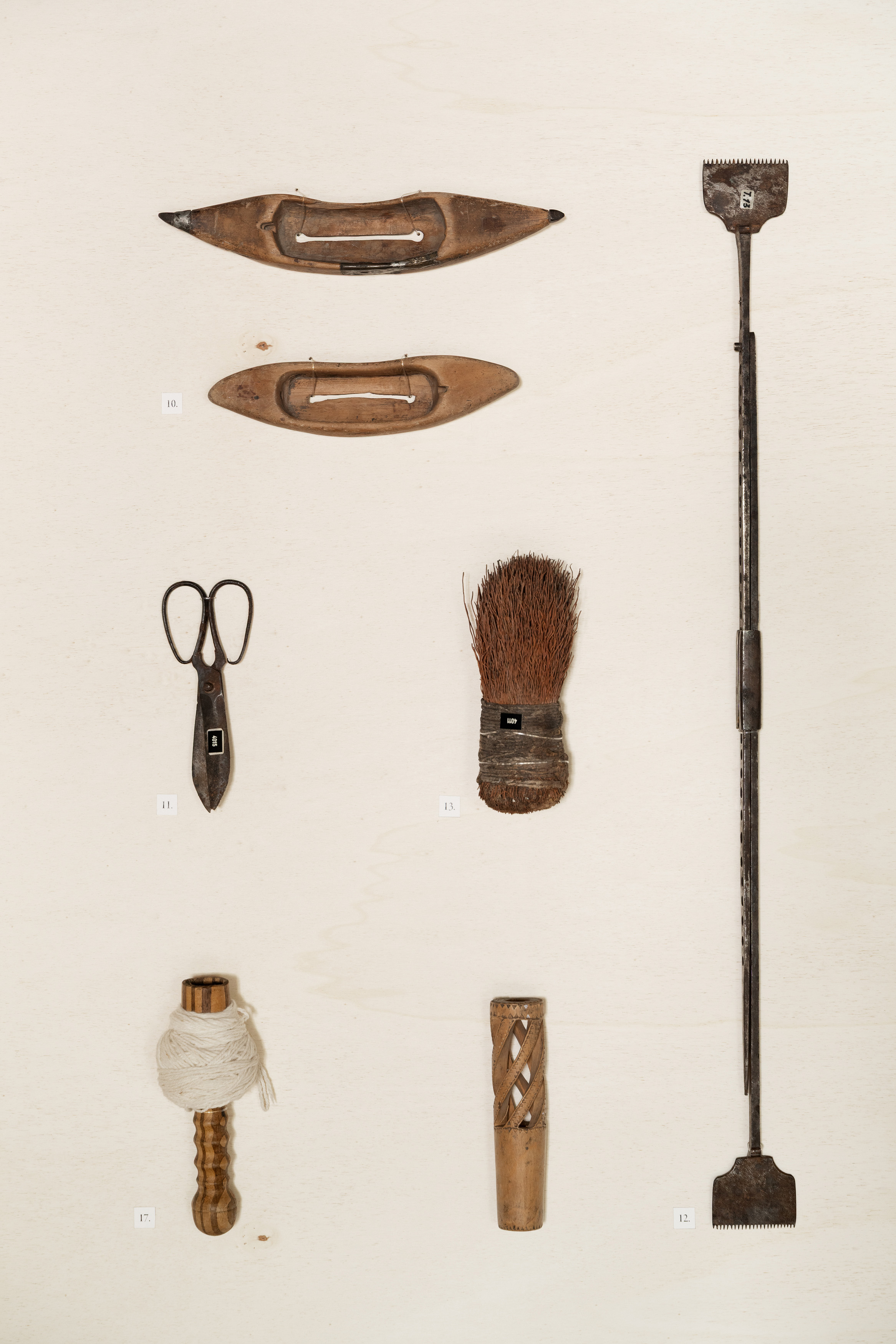
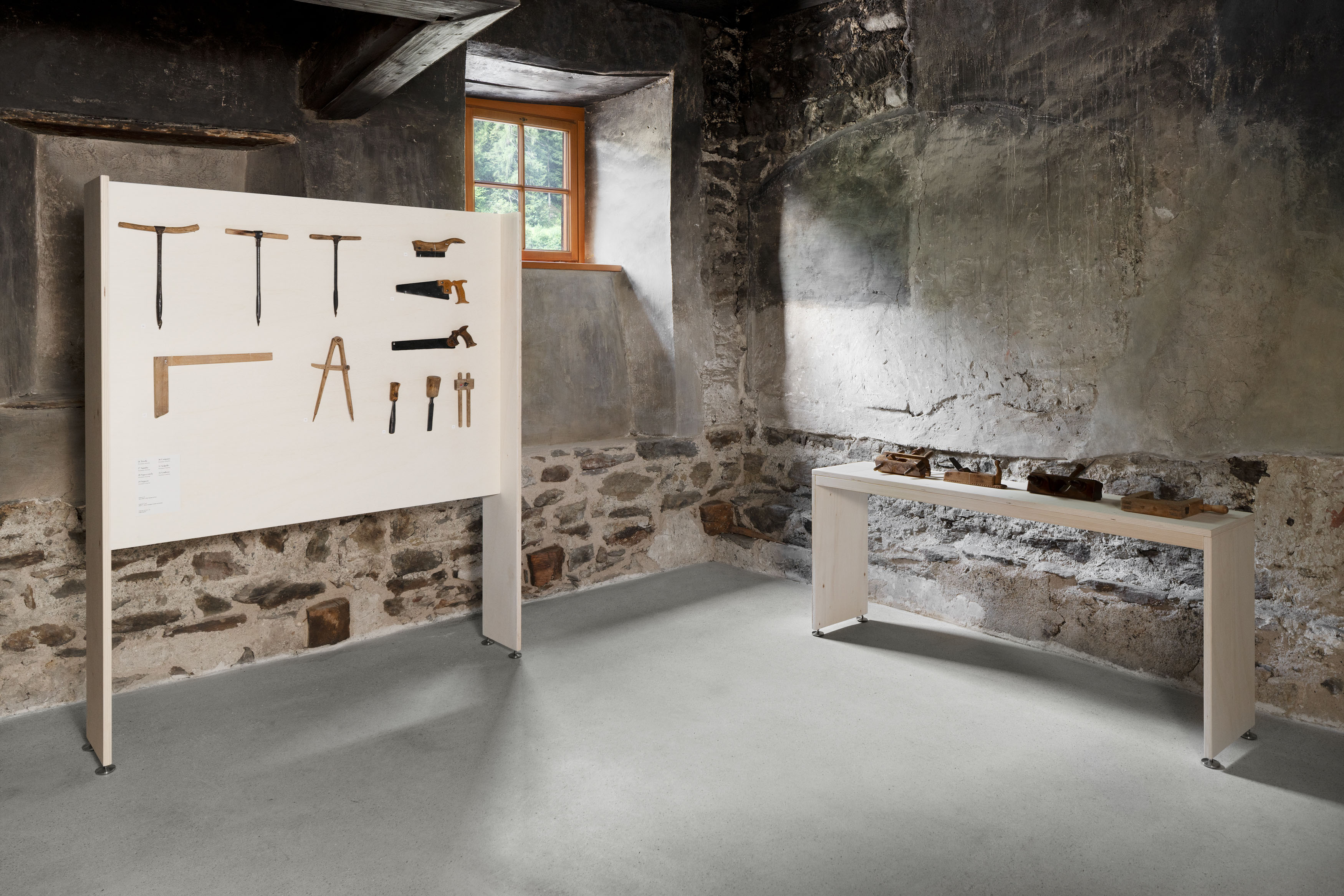
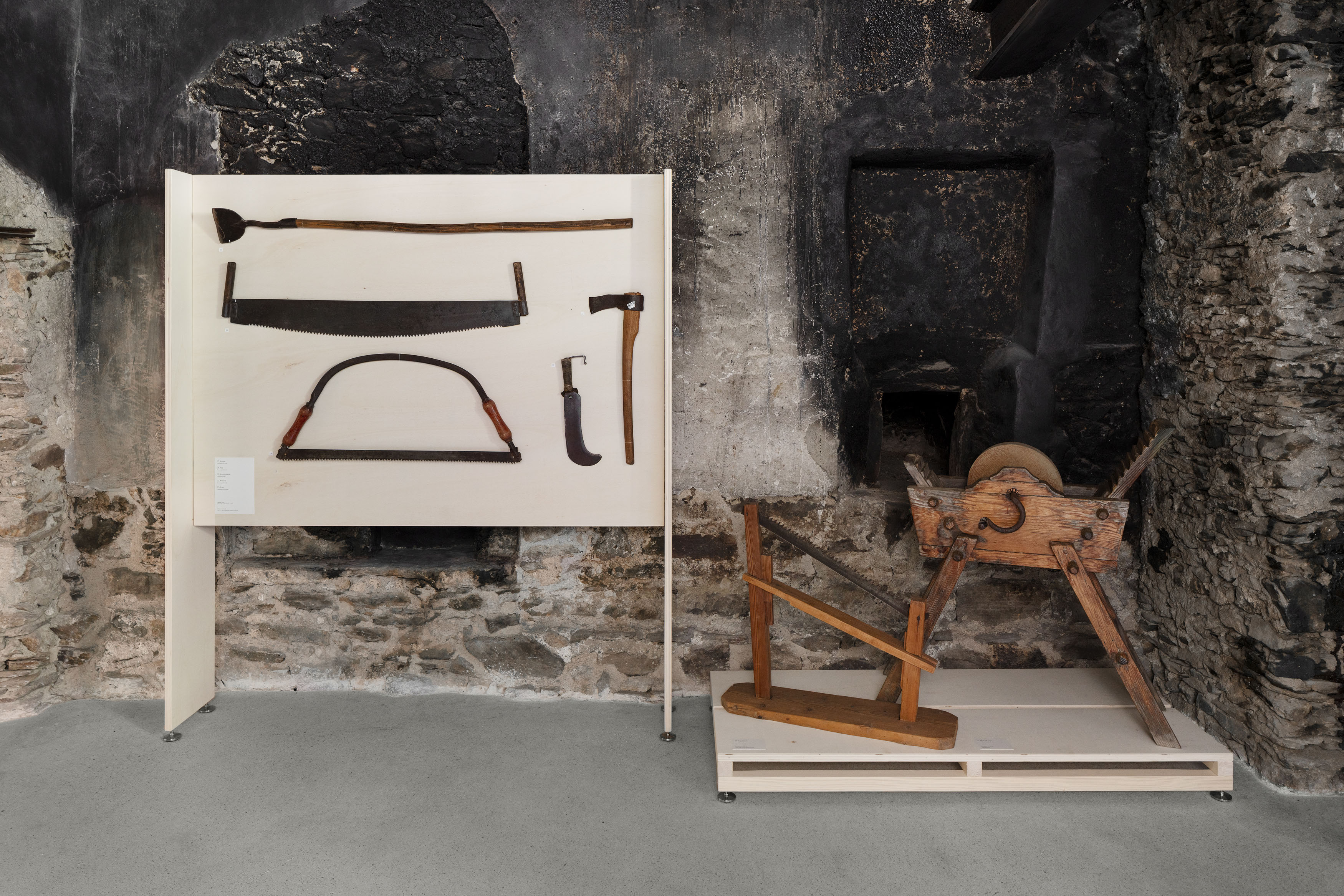
Room II — Wood, between forest and workshop
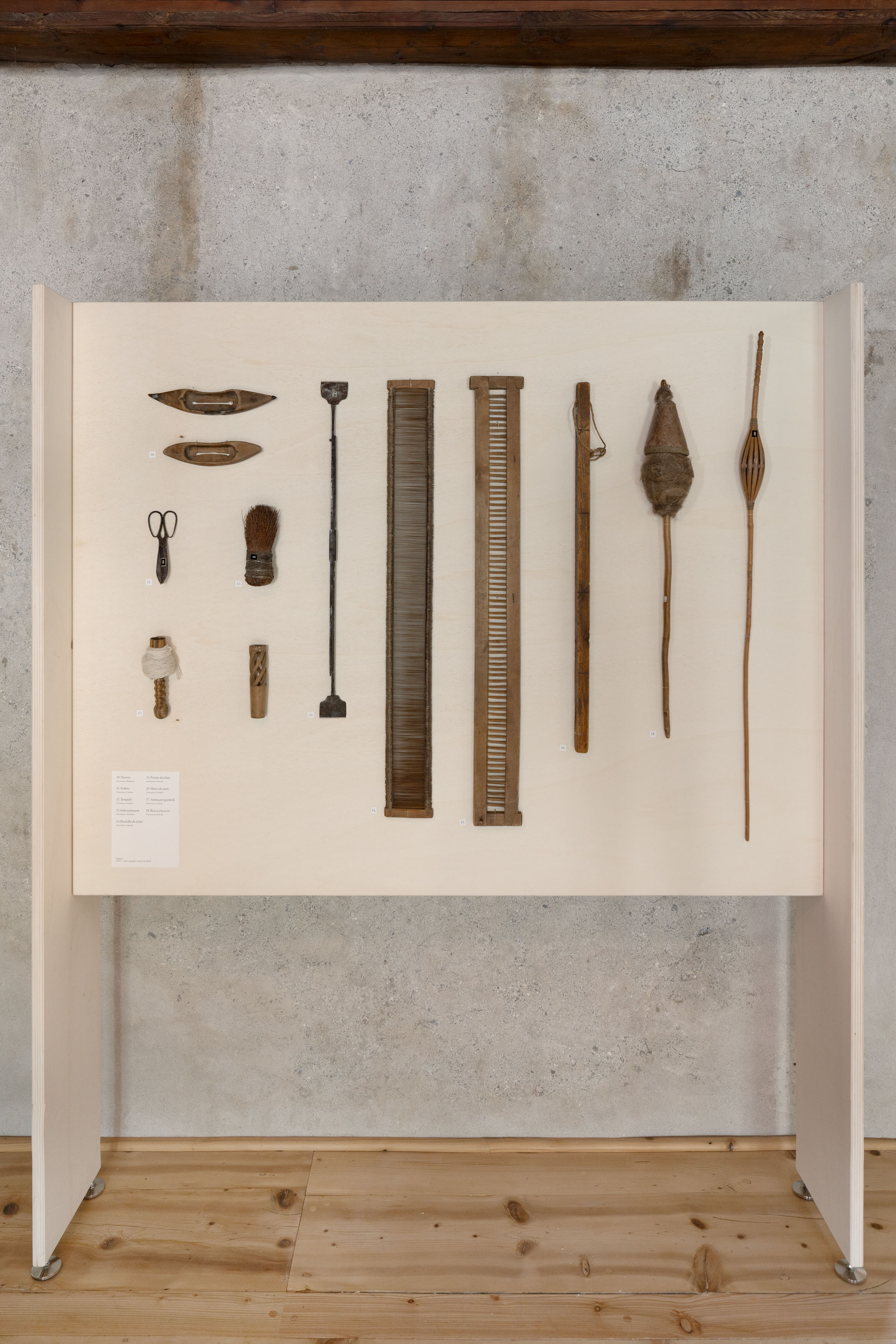
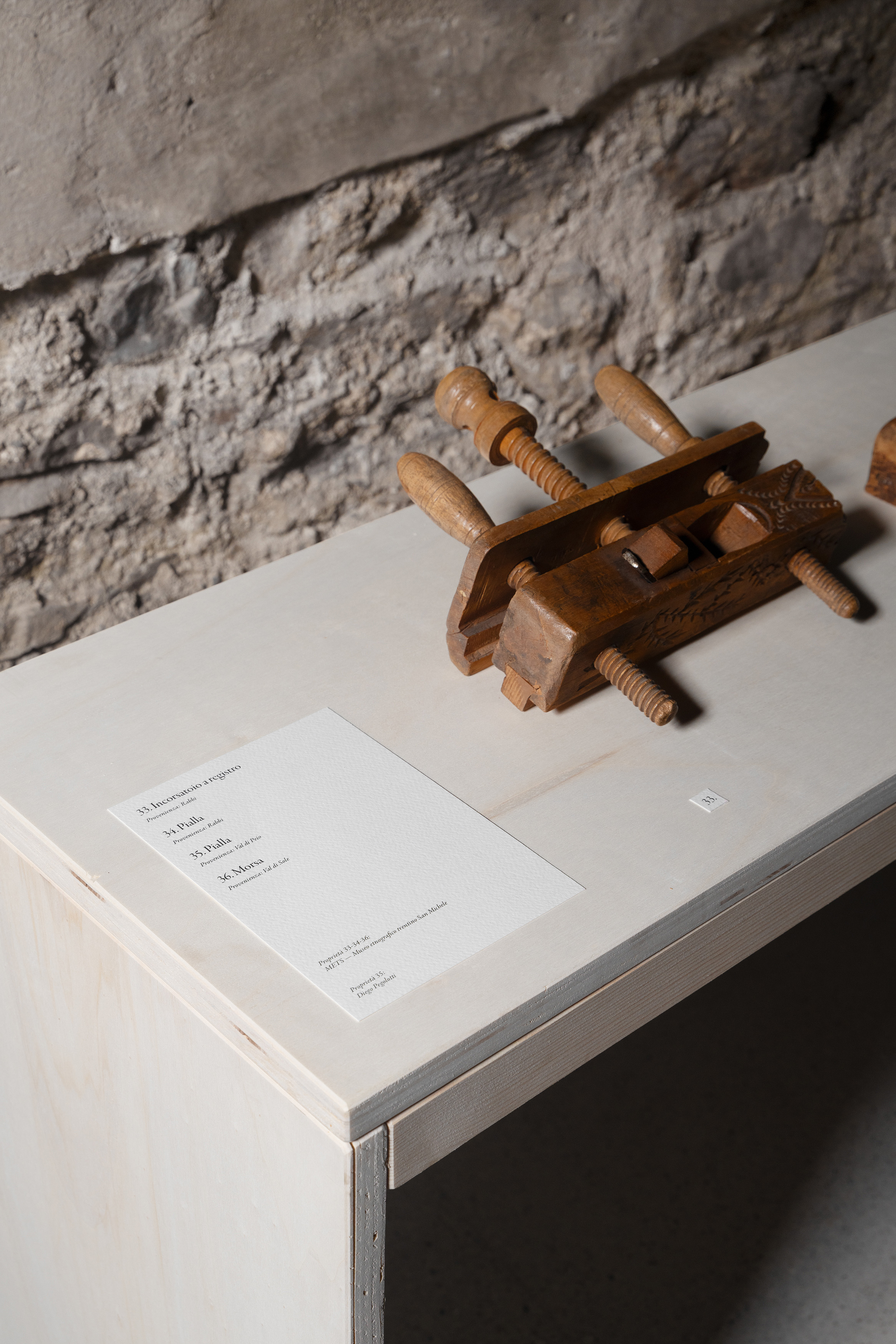
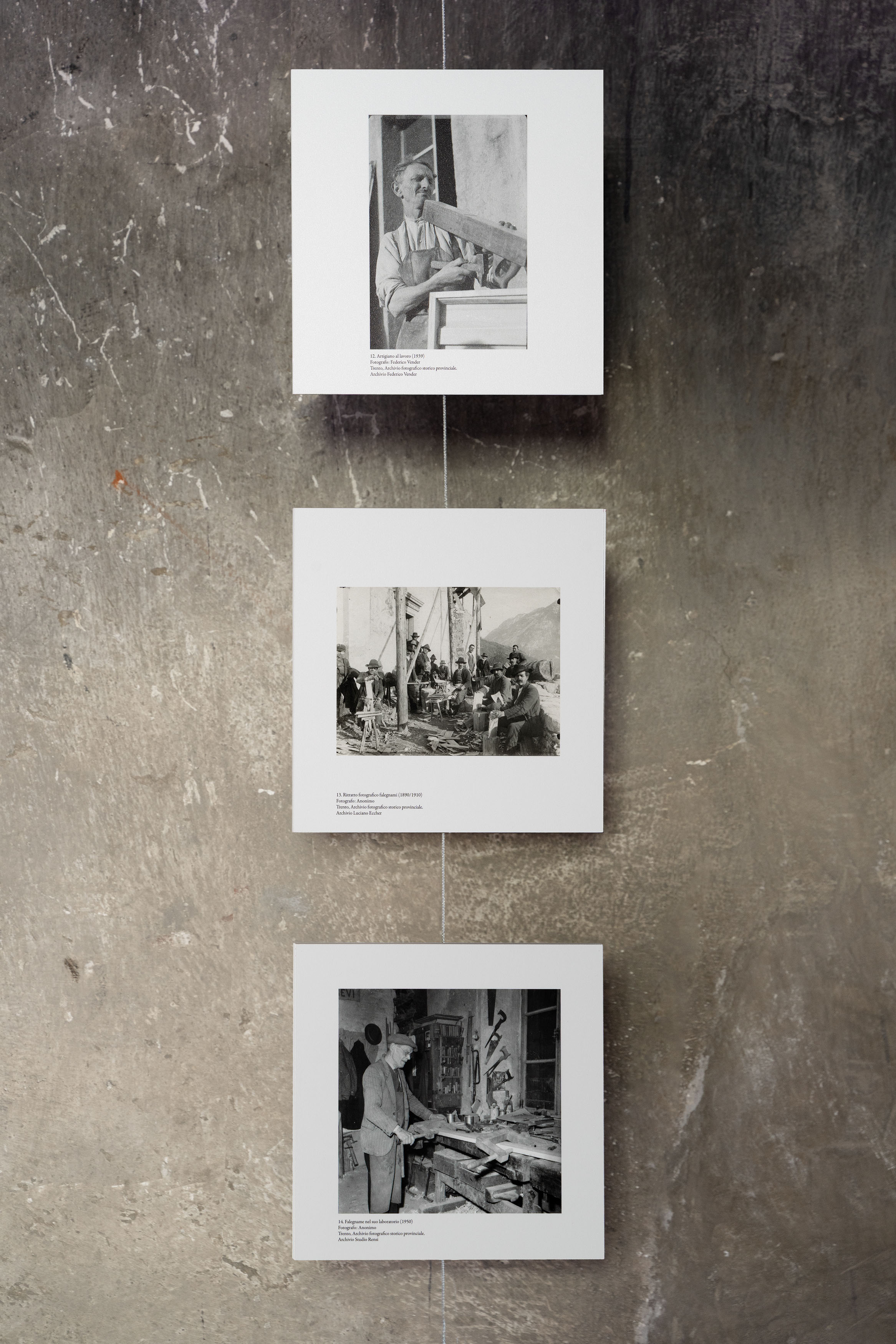
The second room brings together tools related to woodworking, opening with the implements of the woodcutters — those who worked the forest to extract raw material — before guiding the visitor through the tools of the workshop carpenters, who transformed timber into furniture, household implements, and building components. Here too, the constructive quality of the objects reveals a layered technical knowledge, in which every form responds to a precise gesture.
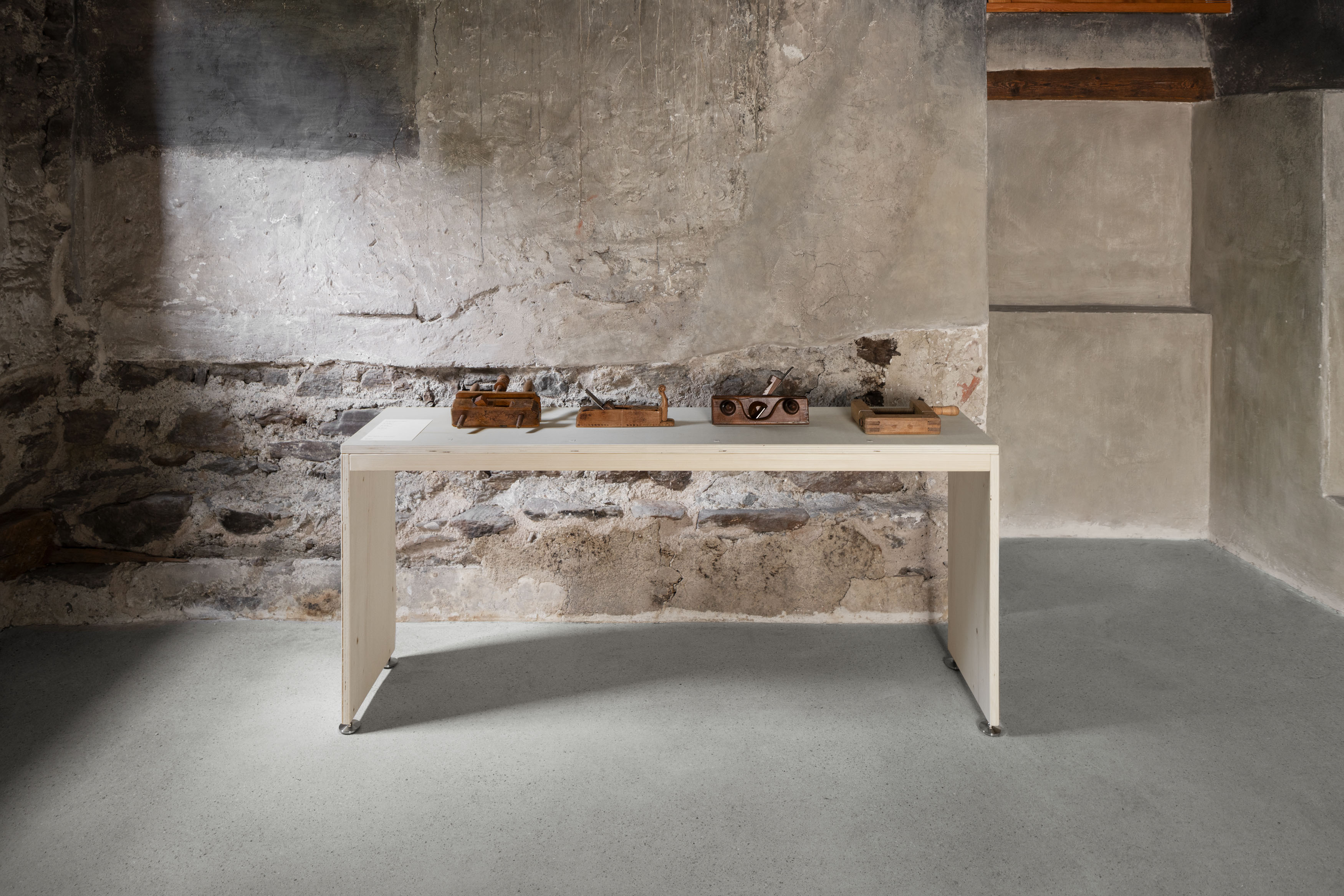
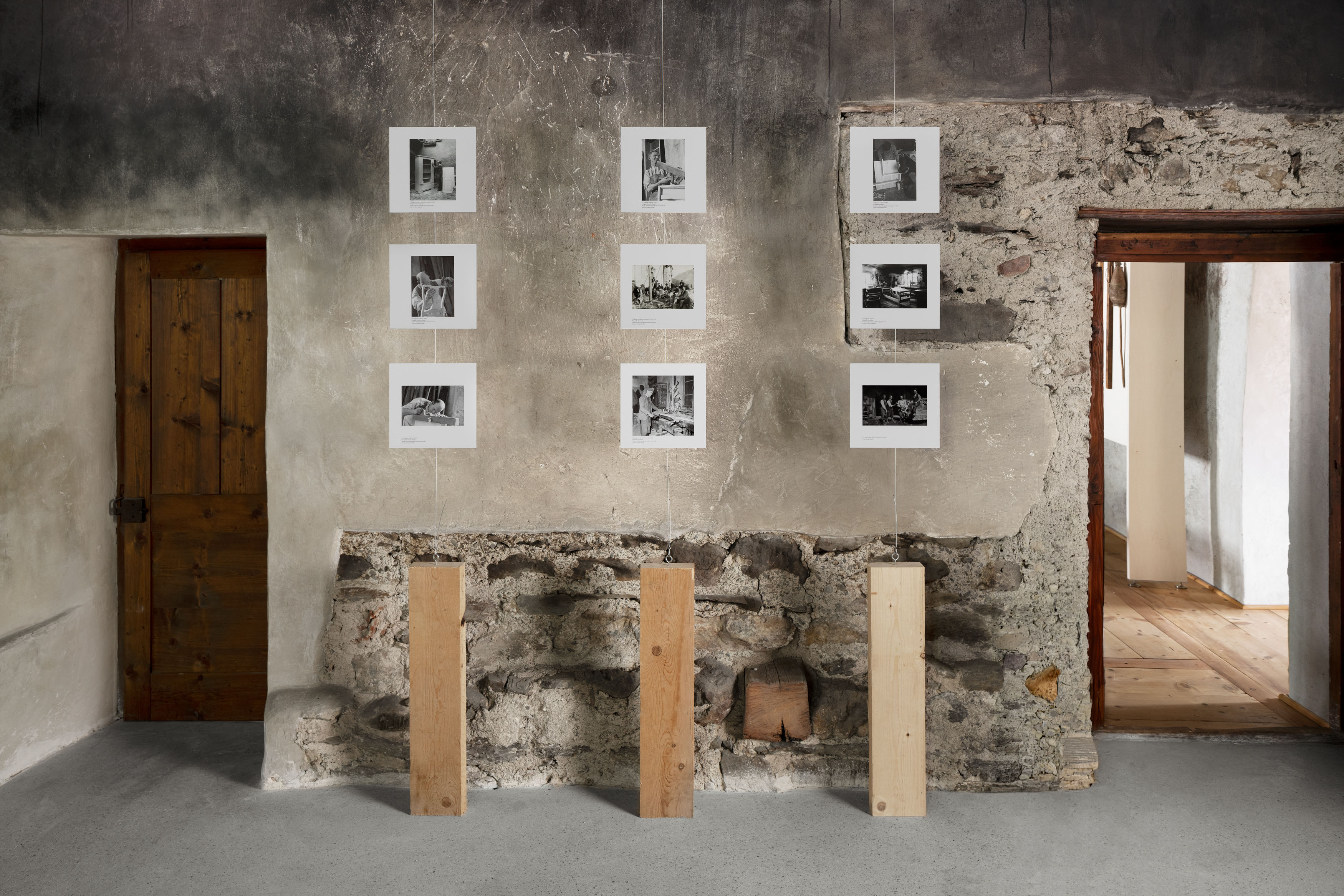
The connection between the two rooms is neither coincidental nor purely thematic: it stems from years of research into the material culture of the Val di Sole, which identified linen weaving and woodworking as two important elements of the local subsistence economy. Both traditions share the same condition today: progressive disappearance. The craftspeople still living find no apprentices, and with them risks disappearing a heritage of practical knowledge that cannot be transmitted through books, but only through repeated gesture.
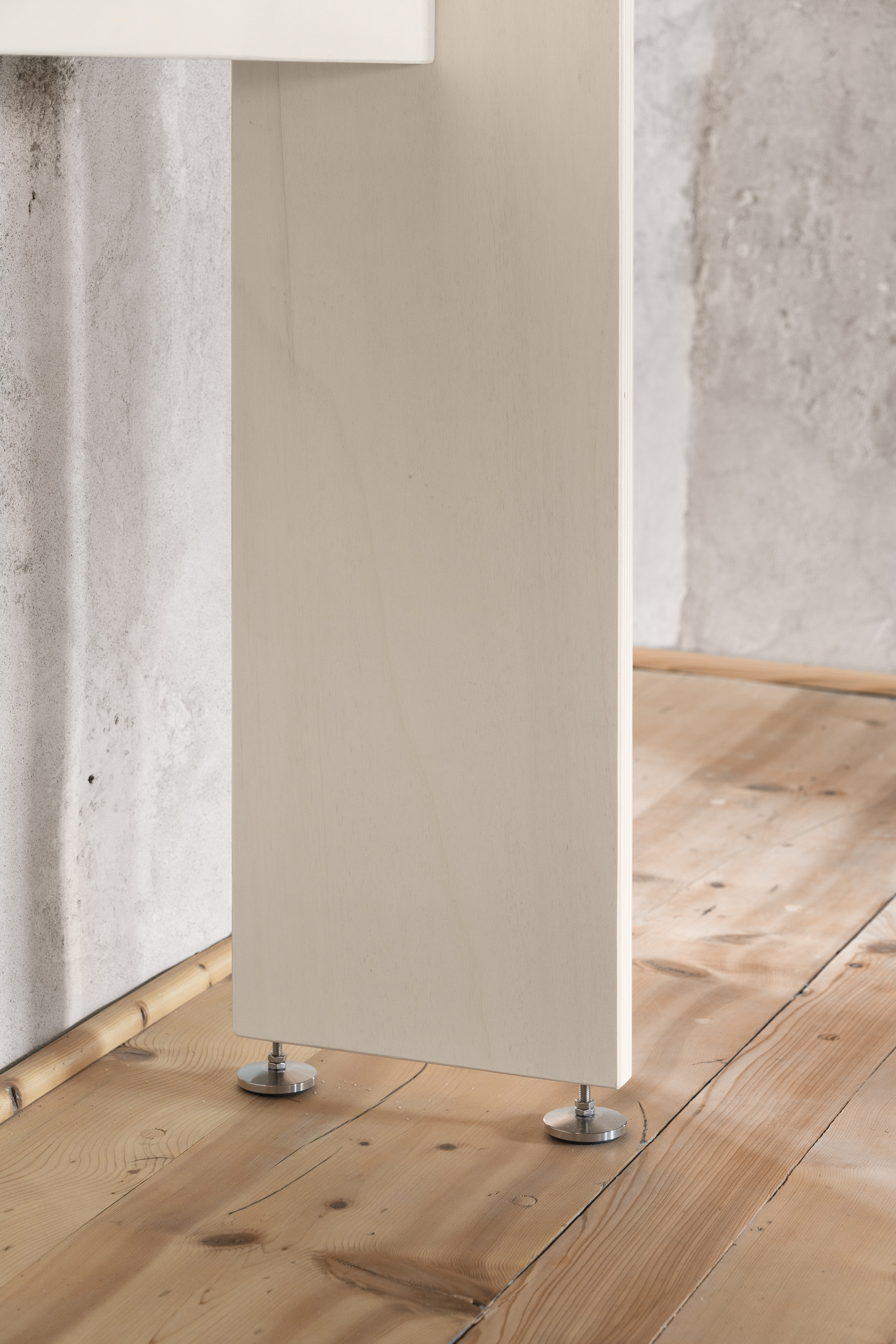
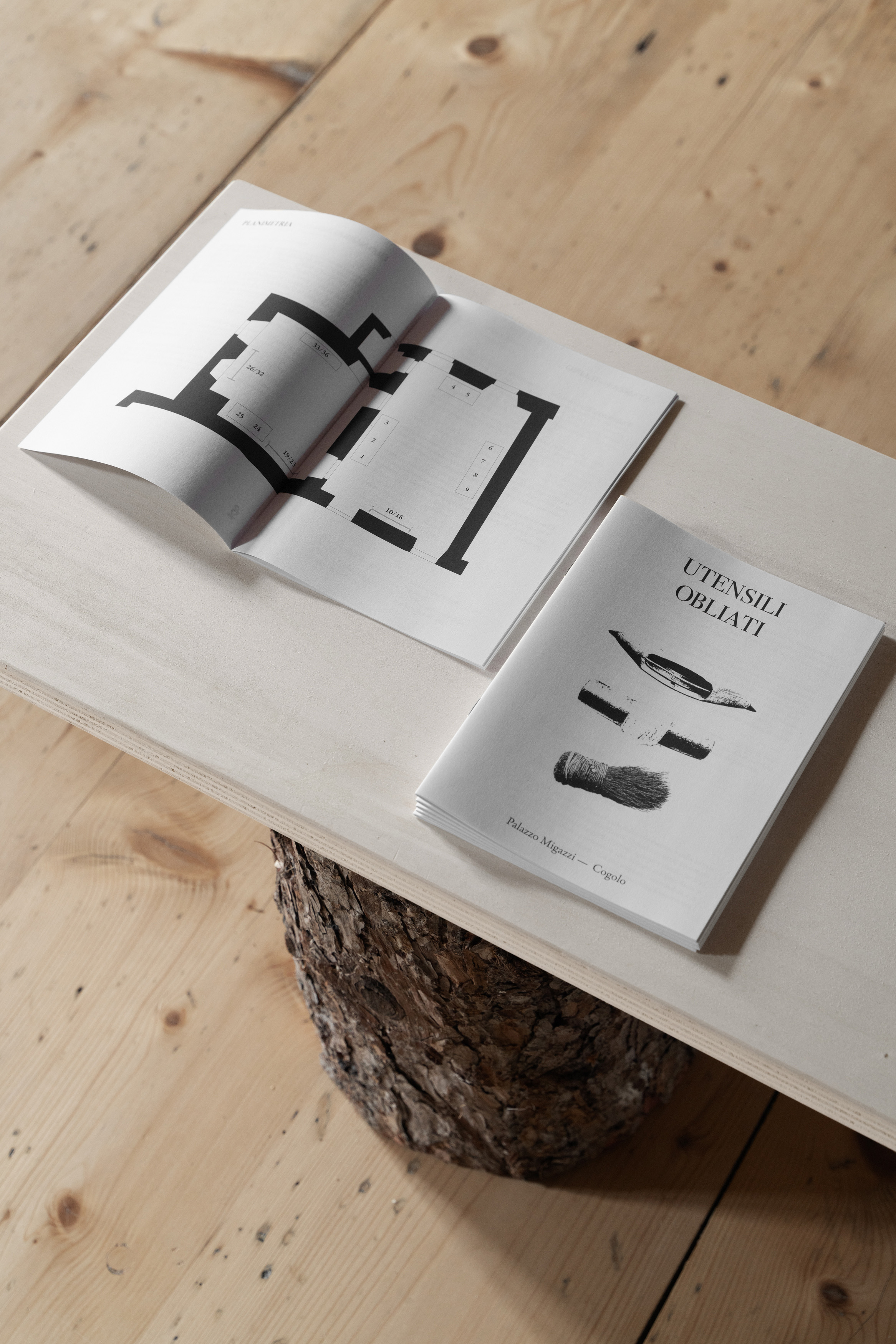
The display supports are custom-made in wood, with an essential design conceived to present each tool in the clearest and most direct way. The choice of wood as a construction material is consistent with the context of the exhibited objects, without overshadowing them.
NARRATIVE THREAD
The exhibition path stands as a space for reflection on the dynamics of transmission and disappearance of knowledge: the tools are not presented as crystallised archaeological finds, but as objects endowed with their own formal and functional logic, expressions of systems of knowledge that have governed social relations, material ecosystems and productive cycles for generations. The visitor is invited to observe the quality of these objects — their form, the traces of use, the relationship between matter and function — and to compare it with the silence that surrounds them today: that of practices which no longer find a context in which to live.
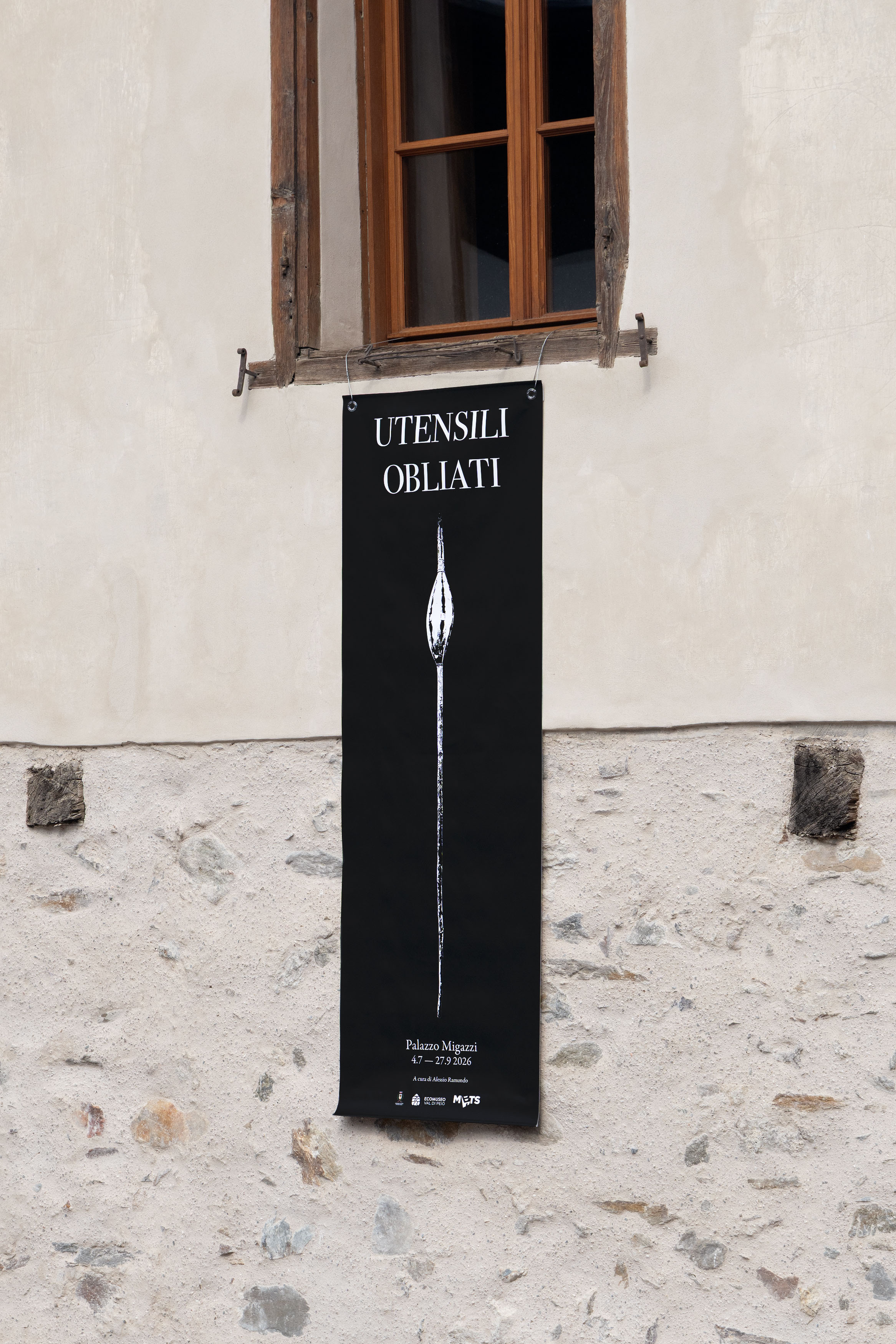
4.7 – 27.9.2026
Main sponsor:
Comune di Peio
LINUM Ecomuseo Val di Peio
METS — Museo etnografico trentino San Michele
Installation views: t-space studio
File